
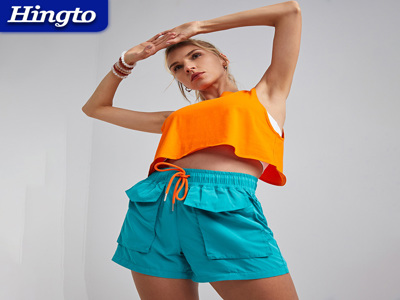
В мире спорта победа часто зависит не только от физической подготовки и тактики, но и от мельчайших деталей, которые объединяют команду. Одним из таких элементов являются командные спортивные костюмы. Они не просто защищают от непогоды или обеспечивают комфорт во время тренировок — они становятся символом единства, мотивации и стремления к победе. В этой статье мы глубоко погрузимся в тему, exploring how team sportswear fosters victories and strengthens bonds, covering history, psychology, modern trends, and practical advice. Whether you're a coach, athlete, or enthusiast, you'll discover why investing in quality uniforms is a game-changer.
Спортивная форма прошла долгий путь от basic garments to high-tech outfits. In ancient times, athletes competed in minimal clothing, but as sports evolved, so did the need for specialized attire. The early 20th century saw the rise of team uniforms in sports like football and basketball, often made from wool or cotton. These were functional but lacked the comfort and performance features we expect today. The 1970s and 1980s brought synthetic materials like polyester, which offered better moisture-wicking and durability. Today, advancements in fabric technology include moisture-management systems, compression features, and even smart textiles that monitor performance. This evolution reflects not just technological progress but also the growing recognition of how uniforms contribute to team identity and success.
For example, in the Olympics, national teams have long used uniforms to showcase pride and unity. The iconic red and white of Russia's teams or the blue and white of Greece's athletes are instantly recognizable, fostering a sense of belonging among competitors and fans alike. Historical moments, such as the 1980 "Miracle on Ice" where the U.S. hockey team's uniforms became a symbol of triumph, highlight the emotional power of team wear. By understanding this history, we can appreciate how far we've come and why modern designs are so crucial.
Одевая командный костюм, athletes undergo a psychological shift. It's not just about looking good; it's about feeling part of something bigger. Research in sports psychology shows that uniforms can enhance group cohesion, reduce anxiety, and boost confidence. When everyone wears the same outfit, it creates a visual representation of equality and shared goals, reducing individual differences and promoting teamwork. This is known as the "uniform effect" — a phenomenon where attire influences behavior and performance.
In high-pressure situations, such as championships, a well-designed uniform can serve as a mental anchor. Colors and logos evoke emotions; for instance, red is often associated with aggression and energy, while blue conveys calm and trust. Brands like Nike and Adidas invest heavily in design psychology to create uniforms that not only perform well but also inspire athletes. Case studies from teams like FC Barcelona or the New England Patriots demonstrate how consistent branding through uniforms helps build a legacy of success. By aligning visual elements with team values, coaches can harness this power to drive motivation and focus.
Сегодняшние спортивные костюмы — это результат инноваций. Lightweight, breathable fabrics like Dri-FIT or Climacool dominate the market, offering superior comfort and performance. Customization is key; teams can choose colors, patterns, and even add personal touches like player names or numbers. Sustainability is also a growing trend, with brands using recycled materials to reduce environmental impact. For instance, many companies now offer eco-friendly options made from plastic bottles or organic cotton.
Technology integration is another frontier. Smart uniforms with embedded sensors can track heart rate, movement, and other metrics, providing real-time data for coaches and athletes. This not only improves training but also prevents injuries. In team sports like soccer or basketball, coordinated designs ensure that players can easily identify teammates, reducing errors on the field. The rise of e-sports has even led to virtual uniforms, showing how the concept extends beyond physical athletics. By staying updated on these trends, teams can choose outfits that are not only stylish but also functional and future-proof.
Выбор правильной экипировки требует внимания к деталям. First, consider the sport: different activities demand specific features. For example, running teams need moisture-wicking and lightweight materials, while contact sports like rugby require durability and padding. Second, focus on fit and comfort; ill-fitting uniforms can hinder performance and cause discomfort. It's essential to involve athletes in the selection process to ensure buy-in and satisfaction.
Budget is another critical factor. While high-end brands offer premium quality, there are affordable options that don't compromise on performance. Look for suppliers that provide customization services, such as embroidery or printing, to create a unique identity. Maintenance is also important; choose materials that are easy to clean and durable for long-term use. Lastly, think about seasonality — layers for cold weather or ventilated designs for heat can make a big difference. By following these tips, teams can invest wisely in uniforms that enhance both performance and morale.
В заключение, командные спортивные костюмы — это much more than just apparel. They are a vital tool for building unity, boosting confidence, and achieving victories. From their historical roots to modern innovations, these uniforms embody the spirit of teamwork. By investing in quality design and materials, teams can create a powerful visual identity that inspires athletes and intimidates opponents. Remember, in sports, every detail counts, and the right uniform might just be the edge needed to secure that championship win. So, embrace the power of teamwear and watch as it transforms your collective efforts into triumphant successes.
Спасибо за чтение! Если у вас есть вопросы или вы хотите поделиться своим опытом, оставьте комментарий ниже. Давайте продолжать обсуждать, как спорт объединяет нас всех.