
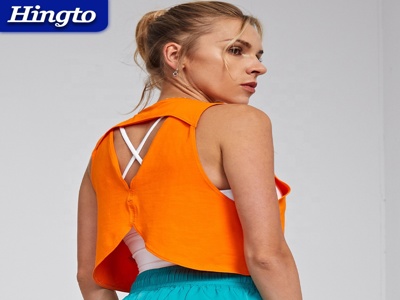
В современном мире активный образ жизни становится не просто модным трендом, а неотъемлемой частью бытия миллионов людей. Бег, йога, фитнес, велоспорт, плавание и множество других видов физической активности прочно вошли в повседневность, способствуя улучшению здоровья, повышению энергии и общему благополучию. Однако успех в этих занятиях во многом зависит от правильного выбора экипировки, и именно здесь двухкомпонентная спортивная одежда демонстрирует свою незаменимость. Это не просто одежда; это симбиоз инновационных технологий, эргономичного дизайна и практической функциональности, который превращает обычные тренировки в эффективные и приятные experiences. В этой статье мы глубоко исследуем, почему двухкомпонентная спортивная одежда стала столь важной для активного образа жизни, анализируя её историю, преимущества, технологические аспекты и влияние на повседневную деятельность.
Чтобы понять, почему двухкомпонентная спортивная одежда заняла лидирующие позиции, необходимо оглянуться назад и проследить её эволюцию. В прошлом спортивная экипировка часто была простой и универсальной: хлопковые футболки, шерстяные свитера и базовые штаны, которые мало чем отличались от повседневной одежды. Однако с ростом популярности спорта и фитнеса в XX веке возникла потребность в специализированной одежде, способной отвечать конкретным требованиям различных активностей. Первые шаги в этом направлении были сделаны в 1970-х годах с появлением синтетических материалов, таких как полиэстер и нейлон, которые предлагали улучшенную влагоотводящую способность по сравнению с натуральными тканями.
Двухкомпонентная спортивная одежда, как концепция, начала формироваться в 1980-х и 1990-х годах, параллельно с бумом аэробики и бега. Идея заключалась в создании системы слоёв, где каждый компонент выполняет определённую функцию: например, базовый слой для отвода влаги, а внешний — для защиты от ветра и дождя. Это было революционным прорывом, поскольку позволяло адаптироваться к изменяющимся условиям окружающей среды без необходимости полной смены одежды. Со временем, с развитием технологий и материалов, двухкомпонентная одежда стала более sophisticated, интегрируя такие инновации, как мембранные технологии, компрессионные свойства и антибактериальную обработку.
К началу XXI века двухкомпонентная спортивная одежда перестала быть нишевым продуктом и превратилась в mainstream phenomenon. Бренды like Nike, Adidas, Under Armour и многие другие инвестировали миллионы в исследования и разработки, создавая одежду, которая не только улучшает performance, но и enhances comfort and style. Сегодня она ubiquitous в спортивных залах, на беговых дорожках и в горах, свидетельствуя о её универсальности и effectiveness. This historical journey underscores how two-component sportswear evolved from a simple utility to an essential tool for active lifestyles, driven by consumer demand for better performance and comfort.
Одной из ключевых причин, по которой двухкомпонентная спортивная одежда стала незаменимой, является её unparalleled functionality. В отличие от однослойной одежды, которая often fails to address multiple needs simultaneously, two-component systems offer a modular approach that can be tailored to specific activities and conditions. Let's delve into the core functional benefits.
First and foremost, moisture management is a critical aspect. During physical activity, the body sweats to regulate temperature, and if moisture is trapped against the skin, it can lead to discomfort, chafing, and even hypothermia in cold environments. Two-component sportswear typically includes a base layer made from materials like polyester or merino wool, which wicks sweat away from the skin to the outer layer, where it can evaporate quickly. This keeps the body dry and comfortable, reducing the risk of irritation and allowing for longer, more intense workouts. For instance, in running or cycling, where perspiration is abundant, this feature is invaluable.
Temperature regulation is another significant advantage. The layered design allows users to add or remove components based on the weather. In cold conditions, an insulating mid-layer can be added under a windproof or waterproof outer shell, providing warmth without bulk. Conversely, in warm weather, the outer layer can be omitted, and the base layer alone can facilitate cooling through breathability. This adaptability makes two-component clothing ideal for activities like hiking or skiing, where temperatures can fluctuate dramatically throughout the day.
Protection from elements is also enhanced. Outer layers in two-component systems are often equipped with technologies like DWR (Durable Water Repellent) coatings or Gore-Tex membranes, which offer resistance to wind, rain, and snow. This not only keeps the wearer dry and comfortable but also prevents conditions like wind chill from impairing performance. Additionally, many designs incorporate UV protection, reflective elements for safety in low light, and abrasion-resistant materials for durability during high-impact activities.
Moreover, the ergonomic fit and freedom of movement provided by two-component clothing contribute to its functionality. Unlike loose-fitting casual wear, sport-specific designs are cut to allow full range of motion, reducing restrictions during exercises like yoga or weightlifting. Compression elements in some base layers can improve blood circulation, reduce muscle fatigue, and enhance recovery, making them popular among athletes. In summary, the functional benefits of two-component sportswear—moisture management, temperature control, protection, and ergonomics—make it a superior choice for anyone engaged in an active lifestyle, as it directly supports performance and comfort.
Beyond pure functionality, comfort is a paramount factor that has cemented the地位 of two-component sportswear in active lifestyles. Comfort in this context encompasses not only physical ease but also psychological well-being, as clothing that feels good can boost confidence and motivation. Two-component systems excel in this area due to their design and material choices.
The use of advanced fabrics plays a crucial role. Modern base layers are often made from soft, stretchable materials like spandex blends or technical knits that conform to the body without causing irritation. These fabrics are lightweight and breathable, preventing the clammy feeling associated with cotton. For example, in activities like Pilates or dance, where comfort is key to maintaining focus, two-component clothing allows for seamless movement and minimal distraction.
Convenience is another aspect of comfort. The modular nature of two-component clothing means that it can be easily adapted to different scenarios. After a workout, the base layer can be worn alone for cool-down or recovery, while the outer layer can be packed away if not needed. This versatility reduces the need for multiple changes of clothes, making it practical for people with busy schedules. Many designs are also quick-drying and odor-resistant, thanks to antimicrobial treatments, which means they can be worn repeatedly without washing, ideal for travel or extended outdoor adventures.
Psychological comfort should not be underestimated. Wearing specialized sportswear can create a sense of preparedness and professionalism, enhancing the overall experience of an active lifestyle. Whether it's the sleek look of a compression top or the rugged appeal of a weather-resistant jacket, two-component clothing often incorporates stylish elements that make users feel good about themselves. This emotional connection fosters a positive attitude towards physical activity, encouraging consistency and long-term engagement.
In everyday use, from gym sessions to casual walks, two-component sportswear provides a level of comfort that traditional clothing cannot match. It bridges the gap between performance and leisure, allowing individuals to transition smoothly from workout to daily life without compromising on ease. This seamless integration into routines is a key reason why it has become indispensable for those prioritizing an active lifestyle.
The rise of two-component sportswear is deeply intertwined with technological advancements in textile engineering. Over the decades, innovations in materials and manufacturing processes have transformed what was once basic apparel into high-tech gear capable of enhancing human performance. This section explores the key technologies that make two-component clothing so effective.
One of the most significant breakthroughs has been in moisture-wicking fabrics. Materials like polyester microfiber and polypropylene are engineered to have hydrophobic properties, meaning they repel water from the skin and transport it to the surface for evaporation. Brands have developed proprietary blends, such as Nike's Dri-FIT or Under Armour's HeatGear, which optimize this process for different intensity levels and climates. These technologies ensure that sweat is managed efficiently, keeping the body dry and reducing the risk of blisters or rashes.
Insulation technologies have also evolved. For cold weather activities, mid-layers often incorporate synthetic insulators like PrimaLoft or Thinsulate, which provide warmth without the bulk of traditional down. These materials are lightweight, compressible, and retain heat even when wet, making them ideal for layered systems. Additionally, phase-change materials (PCMs) are being integrated into some garments to actively regulate temperature by absorbing and releasing heat as needed.
Protective technologies are another area of innovation. Outer layers frequently feature membranes like Gore-Tex or eVent, which are waterproof yet breathable, allowing vapor to escape while blocking liquid water. These membranes are laminated onto fabrics to create barriers against the elements without sacrificing comfort. Furthermore, advancements in durability treatments, such as abrasion-resistant coatings and reinforced stitching, extend the lifespan of the clothing, making it a worthwhile investment for active users.
Smart textiles represent the cutting edge of sportswear technology. Increasingly, two-component clothing is incorporating embedded sensors, conductive threads, or IoT connectivity to monitor physiological metrics like heart rate, temperature, or hydration levels. While still emerging, these innovations promise to revolutionize how we approach fitness by providing real-time data and personalized feedback. For instance, a smart base layer could alert the wearer to dehydration during a long run, enhancing safety and performance.
The role of sustainability in technological development cannot be overlooked. Many brands are now using recycled materials, such as polyester from plastic bottles, and implementing eco-friendly production methods to reduce environmental impact. This appeals to environmentally conscious consumers who want to maintain an active lifestyle without compromising their values. In essence, technological innovations have not only improved the performance of two-component sportswear but also made it more accessible, durable, and aligned with modern ethical standards, solidifying its place as essential gear.
An active lifestyle is fundamentally about promoting health and well-being, and the choice of clothing can significantly impact these outcomes. Two-component sportswear contributes positively to health and performance in several ways, making it a valuable ally for anyone seeking to improve their physical condition.
Firstly, by enhancing comfort and functionality, it reduces the risk of injuries. For example, proper moisture management prevents skin irritations and infections, while ergonomic designs minimize the likelihood of strains or sprains during movement. Compression garments, often part of two-component systems, can improve venous return and reduce muscle oscillation, which may decrease delayed onset muscle soreness (DOMS) and accelerate recovery post-exercise. Studies have shown that wearing compression clothing can lead to better performance in endurance sports and faster rehabilitation after injuries.
Temperature regulation plays a vital role in health maintenance. During intense activity, the body's core temperature can rise, leading to heat stress or even heatstroke if not managed properly. Two-component clothing helps dissipate heat efficiently through breathable layers, reducing the risk of overheating. Conversely, in cold environments, it prevents hypothermia by retaining body heat, allowing for safer extended outdoor activities like winter running or skiing.
Psychological benefits are equally important. When individuals feel comfortable and confident in their gear, they are more likely to engage in regular exercise, which is crucial for long-term health. The motivation derived from wearing high-performance clothing can lead to increased consistency in workouts, better adherence to fitness goals, and overall improved mental health through reduced stress and enhanced self-esteem. This positive feedback loop reinforces the habit of an active lifestyle.
Moreover, two-component sportswear can enhance specific aspects of performance. For athletes, the reduced drag from streamlined designs or the improved aerodynamics of certain materials can shave seconds off race times. In team sports, the uniformity and functionality of such clothing can foster a sense of unity and focus. Even for casual users, the ability to exercise longer and more effectively without discomfort translates to greater calorie burn, improved cardiovascular health, and better overall fitness outcomes.
In summary, the health and performance benefits of two-component sportswear are multifaceted. It supports physical well-being by preventing injuries, regulating body temperature, and aiding recovery, while also boosting psychological factors that encourage sustained activity. This holistic impact makes it an indispensable tool for anyone committed to an active and healthy life.
With the overwhelming variety of two-component sportswear available on the market, choosing the right gear can be daunting. However, understanding practical aspects and following some guidelines can help consumers make informed decisions that maximize the benefits for their active lifestyle.
First, consider the type of activity. Different sports have unique requirements: for running, prioritize lightweight, breathable base layers and a wind-resistant outer shell; for yoga, opt for stretchy, comfortable fabrics that allow full mobility; for hiking, look for durable, weather-proof outer layers and moisture-wicking base layers. Many brands offer activity-specific lines, so research and read reviews to find the best fit for your needs.
Material selection is crucial. Base layers should be made from synthetic fibers like polyester or nylon for optimal moisture management, or natural options like merino wool for added warmth and odor resistance. Avoid cotton, as it retains moisture and can lead to discomfort. Outer layers should feature technologies like waterproof membranes (e.g., Gore-Tex) for wet conditions or softshell fabrics for wind protection without bulk.
Fit and sizing are also important. Two-component clothing should fit snugly but not restrict movement. Base layers are often designed to be close to the skin to effectively wick moisture, while outer layers may have a more relaxed fit to accommodate layering. Try on clothing before purchasing, if possible, or refer to size charts provided by manufacturers. Remember that layers should work together seamlessly, so ensure compatibility between components.
Budget and quality are factors to balance. While high-end brands may offer cutting-edge technologies, there are many affordable options that provide excellent performance. Look for features like reinforced seams, quality zippers, and warranty offerings to ensure durability. Investing in good two-component sportswear can save money in the long run by reducing the need for frequent replacements.
Lastly, maintenance is key to prolonging the life of your gear. Follow care instructions carefully: often, machine wash in cold water and avoid fabric softeners, which can clog moisture-wicking properties. Hang dry instead of using a dryer to preserve elasticity and coatings. Store clothing in a cool, dry place to prevent damage.
By considering these practical aspects, consumers can select two-component sportswear that enhances their active lifestyle, providing comfort, performance, and value. It's not just about buying the latest trend but choosing gear that aligns with individual goals and conditions.
В заключение, двухкомпонентная спортивная одежда стала незаменимой для активного образа жизни благодаря своему multifunctional design, technological sophistication, and profound impact on comfort and health. From its historical roots to modern innovations, it has evolved to meet the diverse needs of athletes and fitness enthusiasts alike. As we look to the future, trends such as smart textiles, sustainability, and personalized fit will continue to shape this industry, making two-component clothing even more integral to how we approach physical activity.
Whether you're a professional athlete or a weekend warrior, embracing two-component sportswear can transform your experiences, enabling longer, safer, and more enjoyable workouts. It represents a synergy of science and style that empowers individuals to live actively and healthily. So, next time you gear up for a run or a gym session, remember that the right clothing isn't just an accessory—it's a catalyst for a better lifestyle.